
Bio based leather is a leather substitute material made from renewable biomass such as plants, mycelium, microbial cellulose, etc., aiming to replace traditional animal leather and petroleum-based synthetic leather.
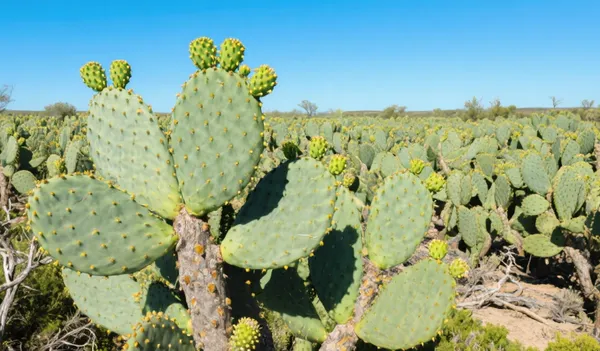
Biological leather is not a single product but a continuously expanding family of innovative materials. Representative products include pineapple leather (Piñatex®), banana leather, cactus leather (Desserto®), mushroom leather (Mylo™), apple leather, coconut leather, etc.
Each type of biological leather has its own unique natural texture and feel, which can meet the differentiated design needs of brands. At the same time, the materials are usually lighter, helping to create comfortable products.
This post will explore biological-based leather in detail.
- What Is Bio Based Leather?
- Core Definition and Differences
- Common Confusions
- What Counts as Bio-Based
- The Raw Material Sources of Bio-Based Leather
- The Production Process of Bio-Based Leather
- Characteristics of Bio-Based Leather
- The Application Fields of Bio-Based Leather
- The Market Prospects of Bio-Based Leather
- Challenges and Prospects of Bio-based Leather
- What Is Bio Leather Made Of?
- Is Bio Leather Real Leather?
- Is Bio Leather Biodegradable?
- Is Bio Base Leather Good for Manufacturing Bags?
- Bio-Based Leather Types & Key Specifications
- The Advantages of Bio Leather for Your Brand
- Biological Leather-Applicable Bags
- The Drawbacks of Making Bags from Biological Leather
- Important Matters
- Key Manufacturing Considerations
- Hybrid Construction Strategies
- Cost and Value Analysis
- Operable Procurement and Design Suggestions
- Maintenance Guide for Bio-Leather Bags
- Market Potential and Policy Support
- Conclusion
What Is Bio Based Leather?
Bio-based leather (often referred to as “bio-leather”) is a leather substitute that is partially or entirely made from renewable bio-based materials. It is an environmentally friendly leather alternative prepared through biotechnological or chemical methods, rather than being made from petroleum-based plastics or animal skins. It reduces the environmental load during the production process while maintaining the texture, durability, and functionality similar to genuine leather.
Core Definition and Differences
| Term | Meaning | Material Composition | Typical Examples |
| Bio-based Leather | Contains a certain percentage (e.g., 30%, 50%, 70%) of renewable biomass; the rest may be petroleum-based polymers or additives. | Biomass + synthetic polymers (PU, PLA, water-based PU) | Some apple leathers, some coconut leathers, composites with bio-based coating |
| Bio Leather | Usually refers to materials where biomass is the main component (often 100% or very high proportion), emphasizing “non-petroleum” and “vegan”. | Almost entirely biomass (fibers, mycelium, microbial cellulose); processing aids are biodegradable | Piñatex® (pineapple), Desserto® (cactus), Mylo™ (mushroom), Malai® (coconut) |
| Synthetic Leather | Made entirely from petroleum-based polymers (PU, PVC); contains no biomass. | 100% petroleum-based | Standard PU leather, PVC leather |
Common Confusions
| Label | What It Actually Means |
| “Bio-based” | Contains renewable materials (percentage varies) |
| “Bio leather” | Usually plant/fungal derived |
| “Bio-synthetic leather” | Petroleum base with some plant additives |
| “100% bio-based” | No petroleum content |
What Counts as Bio-Based
| Material | Bio-Based Content | Classification |
| Mushroom leather | 80-100% | Bio leather / Bio-based |
| Pineapple leather | 50-80% | Bio-based (contains PU coating) |
| Bio-based polyurethane leather | 30-70% | Bio-based (plant oils replace some petroleum) |
| Recycled leather with bio-binders | Variable | Borderline bio-based |
The Raw Material Sources of Bio-Based Leather
The raw materials for bio-based leather mainly come from natural or discarded biomass, including:
- Plant Fibers: such as pineapple leaf fibers (Piñatex), apple pomace, grape skins, cactus extracts, corn starch, sugarcane residue, bamboo, sugar beets, etc., agricultural waste.
- Mycelium: by cultivating fungal mycelium (such as mushroom mycelium), a network structure is formed to simulate leather fibers.
- Microbial synthetic materials: using engineered microorganisms (such as bacterial cellulose) to secrete natural polymer materials.
The Production Process of Bio-Based Leather
The production process of bio-based leather emphasizes sustainability and environmental friendliness. The main processes include:
- Fungal fermentation: Cultivate fungal mycelium in controlled environments to form a network of fibrous structures. After drying, pressing, and dyeing, it is transformed into leather. This technology has a short cycle (about 2 weeks) and low resource consumption (using agricultural waste as the culture medium).
- Plant fiber composite: Compose plant fibers through grinding, binder compounding, and coating treatment to create leather-like materials.
- Microbial synthesis: Form nanoscale fiber membranes through the secretion of cellulose by microorganisms, which have high strength and plasticity.
Characteristics of Bio-Based Leather
- Environmental friendliness: The carbon footprint of bio-based leather is significantly lower than that of traditional leather and petroleum-based synthetic leather. Some products can be completely biodegradable, reducing environmental pollution.
- Sustainability: The raw materials come from renewable resources, reducing dependence on animal skins and petroleum-based materials, and conforming to the concept of circular economy.
- Excellent performance: Some bio-based leathers have reached or approached the level of traditional leather in terms of wear resistance, tensile strength, and durability, and do not contain harmful substances such as formaldehyde and heavy metals.
- Aesthetics: Through special processing, bio-based leather can present rich textures and colors, meeting fashion and design requirements.
The Application Fields of Bio-Based Leather
The application scenarios of bio-based leather are gradually expanding from the high-end fashion sector to various industries such as automotive interiors, furniture, shoes, bags, and 3C products. For example:
- Automobile interiors: Luxury car manufacturers such as BMW and Mercedes-Benz have begun to replace traditional leather with bio-based leather to reduce carbon emissions and enhance their environmental image.
- Furniture: Due to its wear-resistant, flexible, and resistant to yellowing properties, bio-based leather has become the preferred material for furniture and sofa fabrics.
- Fashion brands: International brands like Balenciaga have incorporated bio-based leather into their supply chains and launched eco-friendly product lines.
The Market Prospects of Bio-Based Leather
With the global emphasis on sustainable development and environmental protection, the market for bio-based leather is experiencing rapid growth. It is predicted that by 2030, bio-based leather could account for 10% to 15% of the global leather market. Policy support, capital-driven initiatives, and the enhanced environmental awareness of consumers will further facilitate its commercialization.
Challenges and Prospects of Bio-based Leather
Although bio-based leather has many advantages, its development still faces challenges such as high costs and performance limitations. In the future, with the advancement of bio-manufacturing technology and large-scale production, the cost of bio-based leather is expected to further decrease and its performance will continue to improve, making it an important alternative to traditional leather.
What Is Bio Leather Made Of?
The raw materials of bio leather are diverse, mainly consisting of two parts: the core biomass materials and the processing auxiliary components.
Core Biomass Raw Materials
| Type | Specific Source | Composition Details |
| Plant-based | Pineapple leaf fiber (Piñatex®) | Pineapple leaf fiber + polylactic acid (PLA) binder |
| Apple pomace (AppleSkin) | Apple peels, cores, and other juicing waste + polyurethane (PU) | |
| Cactus leaves (Desserto®) | Cactus leaf protein + biopolymer | |
| Coconut water / coconut husk fiber (Malai®) | Bacterial cellulose fermented from coconut water + natural fiber gum | |
| Cork granules (Cork Leather) | Cork oak bark granules + binder (often PU) | |
| Mycelium-based | Mushroom root network (Mylo™, etc.) | Mycelium grown on agricultural waste, then processed into a leather-like material |
| Microbial fermentation | Bacterial cellulose (some coconut leather, pure fermentation leather) | Cellulose produced by microorganisms (e.g., acetic acid bacteria) in a culture medium (e.g., glucose, coconut water) |
| Lab-grown | Animal cell culture (very few high-end products) | Animal cells (e.g., bovine skin cells) extracted and cultured in a laboratory to form collagen tissue |
Common Processing Additives
To achieve the physical properties of leather, biomass raw materials usually need to be mixed or coated with the following components:
- Adhesives/Fillers: To “glue” fibers or mycelium into a solid structure, such as water-based polyurethane (WPU), polylactic acid (PLA), and natural latex.
- Backings/Bases: To provide support and strength, often made of polyester fabric, cotton fabric, or degradable fabrics.
- Surface Coatings: To enhance water resistance, wear resistance, and texture, commonly using solvent-free PU coatings, wax layers, or bio-based resins.
- Plasticizers: To increase softness, such as glycerol.
- Dyes/Coloring Agents: To impart color, can use natural plant dyes (such as carrots, coffee) or synthetic dyes.
Note: Different brands and models of bio-leather have significant differences in their biomass content (10% – 90%+) and auxiliary components. When purchasing, it is necessary to check third-party certifications (such as OK biobased, USDA BioPreferred®) and test reports (ASTM D6866) to understand the actual bio-based ratio.
Typical Composition Breakdown
| Component | Percentage | Source |
| Plant/mycelium material | 50-90% | Agricultural waste or cultivated biomass |
| Polymer binder | 10-40% | Usually polyurethane (some bio-based versions) |
| Finishing agents | 1-10% | Pigments, softeners, protective coatings |
Purest Options (Least Synthetic Content)
| Material | Synthetic Content | Notes |
| Raw mycelium leather | Very low | Can be finished with natural waxes |
| Bacterial cellulose (Malai) | Low | Uses natural rubber and fibers |
| Cork leather | None | Naturally water-resistant, minimal processing |
Is Bio Leather Real Leather?
No, biological leather is not the traditional “real leather”.
“Real leather” usually specifically refers to animal leather, which is the raw skin obtained from animals (such as cows, sheep, pigs, etc.) and processed through tanning and other techniques. However, biological leather’s raw materials come from non-animal sources such as plants, mycelium, or microbial fermentation, and there are essential differences in their sources, structure, and composition.
Real Leather vs. Bio Leather
Ingredients
Leather: It is mainly derived from animal skins, such as cowhide, sheepskin, and pigskin, and is processed through tanning and other techniques.
Biobased leather: It mainly utilizes renewable biomass resources, such as plant fibers (pineapple leaf fibers, apple pomace, cactus extracts, etc.), mycelium (mushroom mycelium), and microbial synthetic materials (such as bacterial cellulose), and is prepared through biotechnological or chemical processing methods.
Production Process
Leather: The production process involves complex procedures such as slaughtering animals, skinning, tanning, and dyeing, and may cause environmental pollution.
Biobased leather: The production process eliminates the slaughtering step of traditional animal leather, reducing resource consumption and environmental pollution. Its core processes include microbial fermentation technology, plant-based extraction and compounding, and cell culture technology.
Performance Characteristics
Leather: It has a natural fiber structure, is resistant to wear, has good breathability, is soft and comfortable, and usually has higher quality and durability.
Biobased leather: While maintaining the similar texture, durability, and functionality of genuine leather, it also has better biodegradability and environmental friendliness. Some biobased leathers have even higher tensile strength than traditional leather, and are lighter in weight. However, in terms of water resistance, wear resistance, and other aspects, biobased leather may still have certain gaps compared to traditional leather.
Application Fields
Leather: Widely used in fields such as footwear, clothing, luggage, furniture, etc.
Biobased leather: Gradually expands from the high-end fashion sector to multiple industries including automotive interiors, home furnishings, electronic products, etc. With technological advancements and cost reduction, the application prospects of biobased leather will be even broader.
Environmental Attributes
Leather: During production, it may cause environmental pollution and involves animal slaughter, which does not meet the requirements of animal welfare and ethical consumption.
Biobased leather: Significantly reduces carbon emissions and resource consumption, and most products can decompose in the natural environment, avoiding microplastic pollution. It conforms to the concept of circular economy and is an important direction for promoting the green transformation of the leather industry.
Summary of Real Leather vs. Bio Leather
| Comparison | Real Leather | Bio Leather |
| Origin | Animal collagen | Plant fibers or mycelium |
| Structure | Natural grain, pores, fiber network | Manufactured composite |
| Contains animal ingredients? | Yes | No (100% vegan) |
| Production method | Tanning | Cultivation + processing + coating |
| Aging | Develops patina, softens over time | May crack, coating wears |
| Repair | Can be conditioned, restored | Limited repair options |
| Breathability | Natural | Depends on coating |
| Durability | 10-20+ years with care | 2-5 years typical |
Is Bio Leather Biodegradable?
There is no universal answer to the “biodegradability” of biological leather. It entirely depends on the specific type and the materials added by the manufacturer in the final stage. Although they are mostly based on plants or mycelium, the chemical coatings or petroleum-based backing added during the processing often significantly affect their ultimate degradation ability.
The Biodegradability of Biological Leather
| Type | Typical Product | Claimed Biodegradability | Key Influencing Factors |
| Mycelium (mushroom) leather | Mylo™ | Fully biodegradable | Pure mycelium is biodegradable, but must be free of petroleum-based coatings |
| Cork leather | Cork Leather | 100% biodegradable | Natural material; biodegradable when combined with organic backing (e.g., cotton) |
| Apple leather | AppleSkin | 100% biodegradable (claimed) | May contain non-biodegradable PU (approx. 50%) |
| Cactus leather | Desserto® | Partially or fully biodegradable (varies by source) | Some versions contain PU or other polymers |
| Pineapple leather | Piñatex® | Currently not biodegradable (official goal) | Made from PLA fibers and petroleum-based resin coating |
| Bio-based synthetic leather | Coconut, tomato, grape leather, etc. | Partially biodegradable | Bio-content percentage and polymer type are critical |
Important reminder: The degradability of bio-based synthetic leather (such as coconut leather, grape leather) is highly dependent on its components. A high bio-based content does not necessarily mean it is degradable, as non-degradable polymers can still cause pollution. When making a purchase, do not rely solely on the source of the raw materials. Instead, request the supplier to provide a degradation test report (such as complete decomposition within 60 days under industrial composting conditions, or a biological degradation rate of ≥ 90% within 180 days in natural environment).
Non/Biodegradable Types of Biological Leather
- Mixed-material biological leather: Some merchants add large amounts of synthetic polymers (such as polyurethane) to biological leather to enhance durability. These mixed materials contain petrochemical components and their degradation rate will be significantly reduced, even being as difficult to naturally degrade as ordinary artificial leather.
- Surface coating treatment type: Some biological leather surfaces undergo chemical coating treatments for waterproofing and wear resistance. These coatings may prevent microorganisms from accessing the internal biological base materials, resulting in a significant extension of the overall degradation cycle.
The Key Factors Influencing the Biodegradability of Biological Leather
Specifically, the key factors affecting the biodegradability of the final product include the following points:
- Coatings and additives: This is the largest variable affecting degradation. To make plant-based materials have the durability and water resistance of leather, manufacturers usually add coatings such as PU (polyurethane) and wax. Among them, petroleum-based PU is difficult to degrade naturally.
- Back sheet material: Many biological leather layers are combined with a layer of fabric (such as polyester fibers) to increase strength. If this layer of back sheet material is not environmentally friendly, it will also hinder the overall degradation.
- Certification standards: The most reliable method to determine degradation is to check authoritative certifications, such as ASTM D6400, DIN EN13432, etc. The latest technology has enabled some materials to reach at least 90% industrial compost degradation rate within one year, providing a clear basis for judgment.
Common Misconceptions
- “Bio–based” does not mean “degradable”: A material may have 80% of its carbon derived from plants, but as long as it contains 20% of conventional plastic, it may remain in the environment for hundreds of years.
- “Degradable” does not mean “throw away at will”: Some materials need to be processed in industrial composting facilities under specific conditions (maintaining high temperature and humidity) to decompose rapidly. If thrown in ordinary soil or the ocean, the degradation rate will be extremely slow.
How to Choose Truly Environmentally Friendly “Biological Leather”?
As a brand, if you choose “biological leather”, the following steps are recommended:
- Clarify environmental goals: The core is whether to pursue “low carbon emissions” or “zero waste in the end”? The former may choose some bio-based but durable materials, while the latter should prioritize options that are 100% compostable and free of plastic.
- Request certifications and reports: Request authoritative biodegradation certifications (such as OK biobased, DIN CERTCO) and detailed third-party test reports (such as ISO 14855) to confirm the degradation conditions and deadlines.
- Pay attention to product composition: When inquiring, ask about the specific components: “What is the biomass content? What adhesives and coatings were used? What is the backing material?”
- Conduct small batch tests: Before placing an order, be sure to request the factory to provide material samples and test reports, and make physical samples for durability and environmental assessment.
Comparison Table: End-of-Life
| Material | Biodegradable? | Best For |
| Bio Leather (Standard) | Partially(Bio-layer only) | Fashion bags, vegan brands, eco-conscious consumers. |
| Full-Grain Leather | Yes(100% natural) | Heritage bags, luxury goods. |
| Waxed Canvas | Yes(if natural wax) | Rustic bags, sustainable brands. |
| TPU Coated Fabric | No(Plastic-based) | Waterproof bags, technical gear. |
Is Bio Base Leather Good for Manufacturing Bags?
Yes, bio-based leather can be a high-quality material for making bags, especially suitable for the fashion sector, handbags, briefcases, and everyday accessories. It is favored because it can be made from renewable resources, such as agricultural waste, fungi or plant fibers, while still presenting an appearance and texture similar to leather.
Bio-based leather is a feasible, sustainable and continuously improving alternative that can replace traditional animal leather and petroleum-based synthetic leather. However, its applicability largely depends on your brand focus and the intended use of the handbag.
Bio-Based Leather Types & Key Specifications
The Advantages of Bio Leather for Your Brand
- Sustainability and a powerful brand story: These materials are usually made from renewable agricultural waste. Compared to traditional leather, they require less water and produce lower carbon emissions. This provides your brand with an extremely influential and market-promoting “reutilization” story.
- Lightweight and aesthetically unique: Many bio-based leathers are lighter than animal leather, which is a major advantage in attracting consumers. They also have unique natural textures, ranging from the soft feel of mycelium to the rough patterns of cork, helping to make your products stand out.
- Performance continuously improving: Bio-based leather is not just for decoration. Advanced formulas like “Deserto” and “McKenney” have proven their durability for use in daily-use bags, and even in the high-temperature environment of car interiors.
- Gaining mainstream recognition: Major luxury brands and car manufacturers are now also purchasing these materials. For example, PEELSPHERE provides products for luxury brands such as Kering Group (Gucci, Balenciaga), while Uncaged Innovations collaborates with London Store Company, proving this to be a feasible and scalable solution.
Biological Leather-Applicable Bags
Fashion and Everyday Bags
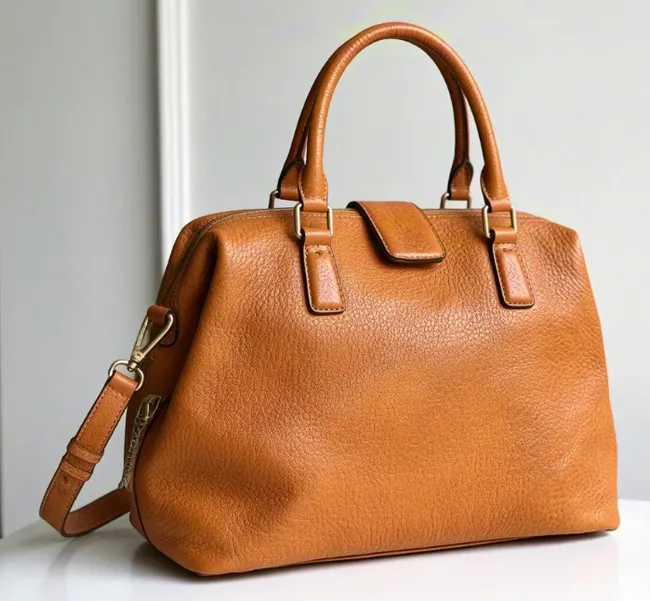
Many plant-based leathers (such as cactus, apple or mycelium leather) have excellent flexibility, are lightweight and have an upscale appearance – making them perfect for handbags, briefcases and casual backpacks.
Sustainable Brand Promotion
If your goal is to achieve environmentally friendly production, biological materials can reduce reliance on animal leather and petroleum plastics (depending on the formula).
The Drawbacks of Making Bags from Biological Leather
Durability Under Pressure
Compared to full-grain animal leather, some biological materials may:
- Develop cracks or flaking over time
- Wear out faster at seams and corners
Water and Heat Resistance
Some require coating – which may reduce their biodegradability and sustainability.
Long-Term Aging
Traditional leather develops a sheen; while many biological alternatives do not age as gracefully.
Not all “biological leather” is the same.
Important Matters
- Varying Durability & Shorter Lifespan: The durability of bio-based leather varies and typically ranges from 2 to 6 years, depending on the material and usage. Some materials may have less wear resistance than traditional polyurethane leather. However, compared to the 1 to 3 year lifespan of standard polyurethane/polyvinyl chloride artificial leather, this is already a significant improvement.
- Generally Higher Cost: Bio-based leather is generally more expensive than traditional synthetic leather. For large-scale wholesale orders, the price can range from $5 to $10 per square foot, which is much higher than that of standard polyurethane leather.
- Not All Are Fully Biodegradable: Many bio-based leathers, such as corn-based polyurethane or coated pineapple leaf leather, are not fully biodegradable because they require synthetic coatings and adhesives for enhanced durability.
- Coating Dependency: The waterproof and stain-resistant properties usually come from the final coating, and this coating may wear over time, so maintenance is required to ensure the material is protected.
Key Manufacturing Considerations
| Factor | Impact |
| Seam strength | Bio-based materials often weaker at stitch points; consider welded or bonded seams |
| Edge finishing | May fray or delaminate; requires careful treatment |
| Hardware attachment | Rivets and studs can tear through; reinforce stress points |
| Coating consistency | Variable water resistance; test batch-to-batch |
| Aging behavior | Materials may stiffen or crack over time; plan for product lifecycle |
Hybrid Construction Strategies
| Design Approach | Benefit |
| Bio-based panels + ballistic nylon base | Durability where needed, sustainability where visible |
| Bio-based exterior + TPU-coated interior | Water protection for contents |
| Bio-based with recycled polyester lining | Reduces overall synthetic content |
| Reinforced bio-based straps | Canvas or webbing core with bio-based overlay |
Cost and Value Analysis
| Aspect | Reality |
| Material cost | 20-100% premium over conventional PU leather |
| Production yield | May have lower cutting efficiency due to irregularities |
| Customer perception | Premium positioning possible with proper marketing |
| Warranty/returns | Higher risk if durability claims are overstated |
Operable Procurement and Design Suggestions
If you decide to proceed, follow these guidelines to ensure product quality:
- Enhance high-stress areas: If the bag will carry heavy loads, do not use animal leather for the straps or the bottom of the bag. Use mesh belts or more durable materials to make these parts.
- Choose the right type: For handbags, bio-polyurethane mixtures or cactus leather (Desserto) often provide the best balance between durability and appearance. Avoid using very rough materials like pineapple leaf fibers in high-wear applications.
- Manage customer expectations: Market it as a “conscious choice” rather than the “most durable choice”. Clearly inform customers that this is a plant-based alternative aimed at sustainability and aesthetics.
Maintenance Guide for Bio-Leather Bags
Proper maintenance methods will significantly extend the lifespan of your bio-based leather products.
- Waterproof and stain-resistant treatment: After cleaning, use a high-quality eco-friendly waterproof spray. This spray can replenish the protective coating. For daily use bags, it is recommended to use it once every 3 to 6 months.
- Regular cleaning: Use a soft damp cloth to wipe the surface to remove dirt. For more thorough cleaning, you can use a specialized plant-based leather cleaner. Please avoid using irritating chemicals, including alcohol and bleach.
- Maintenance method: If the leather feels dry, use a natural conditioner (such as beeswax or coconut oil-based paste) to restore its flexibility and prevent cracking.
- Storage method: Store the bag in a cool, dry place away from direct sunlight. Fill the bag with thin paper to help maintain its shape.
Market Potential and Policy Support
- Market demand growth: As consumers’ environmental awareness increases, the demand for bio-based leather is growing year by year. The demand for plant-based leather in the Asian market has an annual growth rate of 18%, mainly driven by the sustainable purchasing strategies of the luxury industry.
- Policy support: Governments around the world are promoting the development of the bio-based leather industry through policy support. For example, the EU has restricted the use of fluorine-containing chemicals in leather through the “Eco-design Regulation”, forcing brands to switch to bio-based alternatives; China levies environmental taxes on synthetic leather enterprises, stimulating industrial upgrading.
Conclusion
Bio-based leather is highly suitable for making bags for moderate usage scenarios and can tell a unique sustainable story.
Bio-based leather is a high-end eco-friendly material, with its core value lying in its “vegetarianism” attribute and low-carbon story. For luggage brands that pursue sustainable concepts, it is an excellent differentiating selling point.
If you are running your own luxury bag business and are customizing high-end product lines, please feel free to contact us to discuss the details of bag design and production.