
Coconut leather is an innovative, purely plant-based, sheet-like leather material that resembles traditional leather. This material is lightweight, flexible, and has moderate durability.
As the demand for environmental protection among modern consumers grows, the application potential of coconut leather in the fashion and home decoration fields gradually emerges, making it one of the important directions for sustainable material innovation.
Coconut leather is suitable for bag brands targeting environmentally conscious consumers. This material is an effective carrier for brands to demonstrate their ecological responsibility and design innovation.
This post will explore the definition, characteristics, and production process of coconut leather, as well as the advantages and disadvantages of manufacturing bags.
- What Is Coconut Leather?
- How Is Coconut Leather Made?
- Is Coconut Leather Durable?
- How Durable Is Coconut Leather?
- Durability Overview
- Durability Comparison: Coconut Leather vs. Other Plant-Based Leathers
- Durability Comparison: Coconut Leather vs. Other Materials
- Factors Influencing Coconut Leather’s Durability
- The Main Drawbacks/Shortcomings of Coconut Leather
- Actual Durability Examples
- Durability Testing Standards
- Care & Maintenance for Maximum Durability
- Is Coconut Good for Making Leather?
- The Core Advantages of Making Leather from Coconuts
- Summary of Strengths: Why Coconut Works Well
- The Challenges of Making Leather from Coconuts
- Summary of Limitations: Where Coconut Falls Short
- Comparative Analysis: Is Coconut Leather "Good" Enough?
- Comparative Suitability by Application
- When to Choose Coconut Leather
- Is Coconut Leather Good for Making Bags?
- The Advantages of Making Bags Using Coconut Leather
- The Disadvantages of Making Bags with Coconut Leather
- The Best Uses of Coconut Leather Bags
- Performance Comparison
- Best Applications
- Comparison to Other Vegan Leathers
- Comparison: Coconut Leather vs. Other Materials for Bags
- Design Best Practices for Coconut Leather Bags
- Conclusion
What Is Coconut Leather?
Coconut leather (also known as coco leather or coconut fiber leather) is an innovative and sustainable plant-based leather, made from agricultural waste – specifically, the fibrous layer surrounding the coconut shell (coconut shell fiber). This outer layer accounts for approximately 35% of the coconut’s weight and is usually discarded or used to make low-value products such as ropes and cushions. The raw materials used include coconut water, the shell, or the fibers.
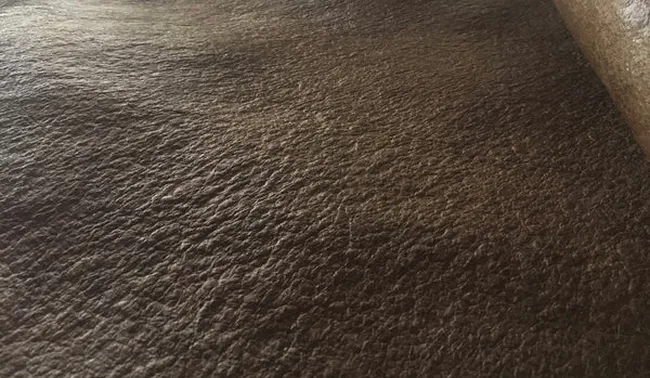
The emergence of coconut leather provides an environmentally friendly alternative to traditional leather based on animals or synthetics. Currently, coconut leather has been applied as an important sustainable material in the fashion and accessories sectors.
Characteristics of Coconut Leather
Sustainability:
- It is made from agricultural waste (coconut shells), which helps reduce environmental impact.
- Biodegradable, unlike synthetic leather made from petroleum-based products.
- Produced using ethical production methods with low energy consumption.
Durability:
- Its texture is tough and resistant to wear and tear, making it ideal for making durable products.
- It can also be reinforced with cork or mixed materials to enhance structural strength.
Aesthetics:
- It has unique organic texture patterns, presenting a natural and rustic appearance.
- There are various textures and thicknesses to choose from to meet different design requirements.
Ethical Production:
It is a pure plant material, free from cruelty, and meets the growing demand of consumers for ethical fashion.
Pros & Cons of Coconut Leather
| Pros | Cons |
| Zero waste, fully biodegradable | Softer than heavy-duty animal leather |
| No plastic or toxic chemicals | Limited color range (mostly earth tones) |
| Lightweight and water-resistant | Higher cost than mass-produced PU |
| Unique natural aesthetic | Less widely available than other vegan leathers |
Types of Coconut Leather
Standard Coconut Leather Sheets
- Description: A flexible and durable sheet material made from processed coconut shell fibers.
- Advantages: It can well adapt to shapes/designs; multiple thicknesses are available for selection.
- Disadvantages: May require a waterproof coating; not as sturdy as synthetic materials.
- Applicable scenarios: Fashion accessories (bags, wallets, belts), footwear, interior decoration and eco-friendly clothing.
Coconut Leather with Cork Backing
- Description: A composite material combining coconut fibers with natural cork layers.
- Advantages: Enhanced durability, lightweight yet sturdy, excellent tear resistance.
- Disadvantages: Slightly heavier than standard coconut leather and less flexible; higher price. Application scope: Suitable for structured handbags, furniture interiors, laptop protectors, and high-end products.
Hybrid Coconut Leather (Combined Materials)
- Description: Combine coconut leather with fabrics (such as canvas, cotton) or synthetic layers to enhance performance.
- Advantages: Increased strength, enhanced waterproof/anti-stain properties, improved design flexibility.
- Disadvantages: If synthetic layers are used, the biodegradability decreases; the manufacturing process is complex.
- Application scope: Outdoor equipment, multi-purpose accessories, mixed fashion series, and commercial interiors.
Textured & Coated Coconut Leather
- Description: The product is treated with natural wax, resin or dyes to achieve unique visual/tactile effects.
- Advantages: Customizable surface effects (matte, glossy, embossed), enhanced moisture resistance/UV resistance.
- Disadvantages: Higher cost due to additional processing; requires environmentally friendly processing chemicals.
- Application scope: Suitable for high-end products that imitate exotic leather or retro styles.
Application of Coconut Leather
- Fashion: Handbags, wallets, belts, shoes and jackets.
- Footwear: Casual and fashionable shoes, sandals and sneakers
- Clothing: Jackets, vests, and even some small accessories
- Home Decor: Interiors, cushions and decorations.
- Accessories: Laptop covers, phone cases and watch straps.
- Sustainable Design: Use eco-friendly materials instead of traditional leather in luxury goods and everyday items.
Notable Producers and Brands
| Producer/Brand | Location | Specialization | Market Presence |
| Malai (Malai Biomaterials) | India | Premium coconut leather, fashion-focused | Partners with Stella McCartney, Adidas prototypes |
| Coconut Matter | Hong Kong/Sri Lanka | Accessories, home goods | Direct-to-consumer, sustainability narrative |
| Noani | Germany | European market distribution | B2B supplier to German footwear brands |
| Nuvi Lab | Vietnam | Technical applications, automotive | Regional manufacturing partnerships |
| Independent Indian/Sri Lankan Co-ops | South Asia | Raw material and semi-finished sheets | Bulk supply to global vegan leather processors |
Comparison with Other Plant-Based Leathers
| Material | Fiber Source | Binder | Key Advantage | Key Limitation |
| Coconut leather | Coconut husk (coir) | Natural latex/bio-resin | Abundant waste stream, low cost, tropical aesthetic | Limited color saturation, regional production concentration |
| Pineapple leather (Piñatex) | Pineapple leaf fiber | Bio-PU | Established brand recognition, wider color range | Higher cost, more processing intensive |
| Apple leather | Apple pomace | PU (50% bio-based) | Smooth leather-like hand, good for footwear | Contains synthetic component, less biodegradable |
| Mushroom leather (Mylo) | Mycelium | Bio-resin | Customizable growth, premium positioning | Scale limitations, highest cost |
| Cork leather | Cork oak bark | Cotton/polyester backing | Mature industry, excellent durability | Geographic limitation (Mediterranean), distinct texture not leather-like |
| Grape leather (Vegea) | Grape pomace | Bio-PU/water-based | Wine industry partnership, European sourcing | Newer material, durability data limited |
Care and Maintenance
| Care Aspect | Recommendation | Avoid |
| Cleaning | Damp cloth with mild soap; soft brush for textured surfaces | Soaking, machine washing, harsh chemicals |
| Drying | Air dry away from direct heat or sunlight | Hair dryers, radiators, prolonged sun exposure |
| Conditioning | Light application of natural wax or plant-based leather conditioner | Petroleum-based products, silicone sprays |
| Storage | Cool, dry place; breathable dust bag | Plastic bags, humid environments, folding under weight |
| Water exposure | Wipe dry promptly; re-condition if saturated | Prolonged submersion, salt water without rinsing |
How Is Coconut Leather Made?
Coconut leather is made through a biological technology and material processing method. This method converts certain parts of the coconut (such as coconut water, coconut shell fibers, or coconut flesh) into a flexible, leather-like material. Different leather manufacturers use slightly different methods. The following describes a commonly used step in making coconut leather:
Step 1: Raw Material Collection
| Stage | Description |
| Source | Coconut husks (coir) from coconut processing facilities |
| Origin | Primarily Philippines, India, Sri Lanka, Vietnam, Indonesia |
| Waste Stream | Millions of tons of husks discarded annually; traditionally burned or left to rot |
| Collection | Husks are gathered from coconut water/meat processing plants |
Step 2: Fiber Extraction
Coconut Husk → Soaking → Mechanical Separation → Fiber Extraction
Retting (Soaking):
Soak the shells in water for 6 to 12 months (traditional method) or use enzymes for a quick treatment (modern method).
This will soften the bonding substances between the fibers.
Mechanical processing:
Use a shell separator to separate the fibers from the wood pith.
Separate the long fibers (10 – 25 centimeters) from the short fibers.
Thoroughly clean the fibers to remove dirt and residual coconut matter.
Drying:
Dry the extracted fibers by sun-drying or machine drying.
Reduce the moisture content to 10 – 15% to achieve the best processing effect.
Step 3: Fiber Processing & Preparation
| Process | Purpose |
| Cleaning | Remove dust, debris, and impurities |
| Softening | Make fibers more pliable for sheet formation |
| Carding | Align fibers in uniform direction |
| Grinding | Some processes break fibers into pulp for smoother texture |
Step 4: Binding Agent Application
This is a crucial step that determines the final quality and sustainability of the product:
| Binder Type | Characteristics | Environmental Impact |
| Bio-based Polymers | Plant-based (cornstarch, natural rubber, cellulose) | Fully biodegradable |
| PU (Polyurethane) | Synthetic coating for durability | Partially biodegradable |
| Natural Latex | Rubber tree-derived, flexible | Biodegradable |
| Water-based Adhesives | Low VOC, eco-friendly | Minimal environmental impact |
High-quality coconut shell leather is made with a bio-based adhesive to ensure its completely biodegradable property.
Step 5: Sheet Formation
Fiber + Binder → Mixing → Pressing → Sheet Formation → Drying
- Mixing: Mix the fibers with the adhesive in the exact proportion.
- Layering: Spread the mixture evenly on a flat surface or conveyor belt.
- Pressing: The hydraulic press compresses the material to the desired thickness (0.8 – 2.0 mm).
- Heat treatment: Moderately heat (60 – 100°C) to activate the adhesive and remove moisture.
- Curing (Hardening): Place the sheet for 24 – 48 hours to achieve the optimal strength.
Step 6: Texturing & Finishing
| Finishing Process | Description |
| Embossing | Leather-like grain patterns pressed into surface |
| Coating | Natural oils, waxes, or bio-based sealants applied |
| Dyeing | Plant-based or low-impact dyes for color |
| Waterproofing | Eco-friendly water-resistant treatments |
| Softening | Mechanical tumbling or chemical softeners for suppleness |
Step 7: Quality Control & Testing
| Test | Standard |
| Tensile Strength | Minimum 15-20 MPa |
| Abrasion Resistance | Martindale test (10,000+ cycles) |
| Water Resistance | Contact angle measurement |
| Flexibility | Bend testing without cracking |
| Biodegradability | Compostability certification (if applicable) |
Comparison: Traditional vs. Modern Coconut Leather Production
| Aspect | Traditional Method | Modern Method |
| Retting Time | 6-12 months | 1-2 weeks (enzyme-treated) |
| Binder | Natural latex only | Bio-polymers, PU options |
| Texture | Rough, canvas-like | Smooth, leather-like |
| Consistency | Variable | Uniform, controlled |
| Scalability | Limited | Industrial scale possible |
| Cost | Lower | Higher (but more consistent) |
Quality Variations by Grade
| Grade | Fiber Content | Binder | Thickness | Application | Price Point |
| Premium | 60–70% coir, long fibers | 100% natural latex | 1.0–1.2mm | Luxury accessories, footwear uppers | $15–25/m² |
| Standard | 40–60% coir, mixed fiber lengths | Natural latex + bio-PU blend | 0.8–1.0mm | General accessories, bags, wallets | $8–15/m² |
| Industrial | 30–40% coir, short fibers | Bio-PU or synthetic latex | 0.5–0.8mm | Upholstery, automotive trim, backing materials | $4–8/m² |
Is Coconut Leather Durable?
The durability of coconut shell leather is at a medium level. It is sufficient for making daily accessories such as wallets and handbags, but it is not as durable as traditional animal leather. Its lifespan usually ranges from 3 to 7 years, depending on the manufacturing process and usage method.
How Durable Is Coconut Leather?
Usually, it will last for about 3 to 7 years under normal use.
If properly cared for, its lifespan can sometimes exceed 8 years.
Its strength and flexibility are both decent, so it is not likely to break when bent.
So yes, its durability is sufficient to meet daily usage needs, but it is not a “lifelong use” material.
Durability Overview
| Durability Factor | Rating | Notes |
| Tensile Strength | Good (15-25 MPa) | Comparable to mid-grade animal leather |
| Abrasion Resistance | Very Good | Coconut fibers naturally resist wear |
| Water Resistance | Good to Excellent | Depends on finishing treatment |
| Flexibility | Moderate to Good | Can crack if low-quality binders used |
| UV Resistance | Moderate | May fade over time without treatment |
| Lifespan | 3-7 years | Varies by product type and care |
Durability Comparison: Coconut Leather vs. Other Plant-Based Leathers
| Material Type | Scratch Resistance | Water Resistance | Long-Term Flexibility (after 6 months) | Main Performance / Suitable Use |
| Coconut Leather (Malai) | Low-Medium | Poor (easily absorbs water) | Becomes brittle in dry climates | Prone to cracking at folds; better suited for lightly used decorative items or accessories. |
| Mushroom Leather (Mylo) | High | Medium (with coating) | Holds up very well | Durability close to animal leather; suitable for bags that need to withstand daily use. |
| Cactus Leather (Desserto) | High | Good (with natural wax coating) | Does not harden | Balanced performance; an ideal choice for everyday fashion items. |
| Apple Leather (AppleSkin) | Medium-High | Good (with synthetic coating) | Softens slightly | Structure holds up well, but the coating may show signs of peeling after several months. |
| Traditional Cowhide (Control) | Very High | Excellent (requires care) | Becomes softer | The benchmark for durability; maintains good condition over long-term use. |
Durability Comparison: Coconut Leather vs. Other Materials
| Material | Tensile Strength | Abrasion Resistance | Water Resistance | Lifespan |
| Coconut Leather | 15-25 MPa | ★★★★☆ | ★★★★☆ | 3-7 years |
| Animal Leather (Cow) | 20-30 MPa | ★★★★★ | ★★★☆☆ | 10-20+ years |
| PU Synthetic Leather | 10-20 MPa | ★★★☆☆ | ★★★★☆ | 2-5 years |
| PVC Leather | 15-25 MPa | ★★★☆☆ | ★★★★★ | 3-6 years |
| Pineapple Leather (Piñatex) | 12-20 MPa | ★★★☆☆ | ★★★☆☆ | 2-5 years |
| Cactus Leather | 10-18 MPa | ★★★☆☆ | ★★★★☆ | 2-4 years |
| Mushroom Leather (Mylo) | 15-22 MPa | ★★★★☆ | ★★★☆☆ | 3-6 years |
Key Takeaway: Coconut leather is a relatively durable alternative to animal-based leather, excelling particularly in terms of durability and water resistance.
Factors Influencing Coconut Leather’s Durability
A. Fiber Quality and Processing
- Coconut Shell Fiber Strength: Coconut shells contain long and tough fibers (i.e., coconut shell fibers), which naturally possess anti-wear, anti-tear, and anti-humidity properties. These fibers form the main structure of coconut shell leather, giving it inherent durability.
- Binding Agents: Using high-quality natural adhesives (such as cellulose, plant-based resins) or mixed materials (such as recycled cotton, biodegradable polymers) can enhance structural integrity. Poorly bonded fibers may lead to wear or weak points.
Summary of Binding Agent Quality
| Binder Type | Durability Impact | Biodegradability |
| Bio-based Polymers | Good | Fully biodegradable |
| Natural Rubber/Latex | Very Good | Biodegradable |
| PU Coating | Excellent | Partially biodegradable |
| Low-Quality Synthetic | Variable | Non-biodegradable |
B. Thickness and Density
- Thicker Sheets: Sheets with a thicker thickness (such as 2 – 3 millimeters) are more durable and are suitable for items that are frequently used, such as bags or shoes.
- Density: The tightly woven fibers are more resistant to punctures and stretching than the loosely woven fibers.
C. Finishing Treatments
- Waterproof coating: Natural wax, resin or plant-based sealants can protect coconut shell leather from stains, moisture and UV damage, thereby extending its lifespan.
- Texturing treatment: Applying embossing or brushing patterns on the surface may slightly reduce durability by creating micro-cracks, but this effect is usually negligible in practical applications.
Summary of Finishing Treatments
| Treatment | Durability Benefit |
| Natural Wax Coating | Water resistance, scratch protection |
| Plant-Based Sealants | UV protection, moisture barrier |
| Embossing | Adds structural integrity |
| Oil Treatment | Flexibility, prevents cracking |
D. Composite Materials
- Coconut-Cork Leather: By combining coconut fibers with softwood, a lightweight yet sturdy material can be produced, which is highly suitable for structural items (such as handbags, laptop protectors). The natural elasticity of softwood helps enhance durability.
- Reinforced Hybrids: By mixing coconut leather with recycled textiles (such as denim) or biodegradable plastics (such as PLA), the strength of tear resistance and flexibility can be improved.
The Main Drawbacks/Shortcomings of Coconut Leather
Compared to animal leather, its durability is poorer:
Reduced wear resistance → More prone to scratches
Not suitable for heavy-duty applications (such as shoes or belts)
Sensitive to water when not coated
Usually has a shorter lifespan than cowhide (approximately over 10 years)
Actual Durability Examples
- Fashion accessories: If kept dry and away from sharp objects, handbags, wallets or belts made from coconut leather can be used for over 3 to 7 years with normal use.
- Footwear: Shoes made from coconut leather may show wear after 1 to 2 years of daily use, but mixed-material styles (such as those with rubber soles) can extend their lifespan to over 3 years.
- Interior materials: The composite leather made from coconut and cork is suitable for furniture cushions or chair backs and can last for 5 to 10 years with proper maintenance.
Durability Testing Standards
| Test | Standard | Coconut Leather Performance |
| Tensile Strength | ISO 3376 | 15-25 MPa (Pass) |
| Abrasion Resistance | Martindale (ISO 12947) | 10,000-20,000 cycles |
| Flex Resistance | ISO 5402 | 50,000+ bends without cracking |
| Water Absorption | ISO 5404 | <15% weight gain (Good) |
| Tear Strength | ISO 3377 | 30-50 N/mm (Moderate-Good) |
| Color Fastness | ISO 105 | Grade 3-4 (Moderate) |
Care & Maintenance for Maximum Durability
| Care Action | Frequency | Benefit |
| Clean with Damp Cloth | Weekly | Removes dirt that causes abrasion |
| Apply Natural Conditioner | Monthly | Maintains flexibility, prevents cracking |
| Avoid Prolonged Sun Exposure | Always | Prevents UV degradation and fading |
| Store in Dry Place | Always | Prevents mold and fiber degradation |
| Keep Away from Sharp Objects | Always | Prevents tears and punctures |
| Waterproof Spray (Optional) | Every 6 months | Enhances water resistance |
Is Coconut Good for Making Leather?
Yes, coconuts are indeed a very suitable material for making leather. However, this is not the traditional kind of animal leather; rather, it is a novel type of vegan leather that is more suitable for manufacturing fashionable and environmentally-conscious accessories.
The Core Advantages of Making Leather from Coconuts
Abundant Renewable Raw Materials
Coconut shells are an important agricultural waste product, with an annual global production of over 60 million tons. This eliminates the need for specialized farmland or resource-intensive livestock farming.
Different from synthetic leather made from petroleum, coconut leather uses biodegradable by-products, thereby reducing reliance on non-renewable resources.
Excellent Material Properties
- Strength and durability: The tensile strength of coconut fibers is 200 – 350 megapascals, similar to cotton fibers, making it suitable for manufacturing imitation leather products with tear-resistant properties.
- Natural texture: The rough fibrous characteristic of coconut shells can be replicated through processing to mimic the texture of real leather, presenting a unique, rustic beauty that appeals to environmentally-conscious consumers.
- Breathability: Coconut leather retains the natural breathability of coconut fibers, providing better air circulation compared to synthetic leather, making it more suitable for long-term wear.
Low Environmental Footprint
- Reduced water usage: The production process of coconut shells uses 90% less water than traditional leather manufacturing (approximately 100 liters per square meter compared to 1800 liters).
- Lower carbon emissions: According to a 2024 study conducted by the Ellen MacArthur Foundation, its production process emits 75% fewer greenhouse gas emissions than synthetic leather.
- Biodegradability: Most coconut leather will decompose within 2 to 5 years, while PVC leather will persist in landfills for over 100 years.
Summary of Strengths: Why Coconut Works Well
| Attribute | Performance | Advantage |
| Abundant waste stream | 35% of coconut is husk; 50+ million tons of coconuts processed annually | No dedicated agriculture needed; upcycles existing food industry waste |
| Natural fiber properties | High lignin content (40–45%), natural water resistance, tensile strength | Durable base material with inherent structural integrity |
| Low processing energy | Sun drying possible, mechanical extraction increasingly efficient | Lower carbon footprint than synthetic leather production |
| Regional availability | Concentrated in tropical zones (India, Sri Lanka, Philippines, Indonesia) | Local production possible in growing regions, reducing transport emissions |
| Cost efficiency | Raw coir historically low-value; processing adds significant value | Competitive pricing vs. pineapple leather, mushroom leather |
| Distinctive aesthetic | Visible fiber texture, organic grain, warm natural tones | Unique positioning in premium sustainable fashion |
The Challenges of Making Leather from Coconuts
Processing Complexity
Converting the unprocessed coconut shells into a flexible material similar to leather requires multiple steps, including fiber extraction, chemical treatment, and bonding with natural adhesives. Compared to synthetic leather, this increases production costs.
Due to the natural variability of coconut shells, it is difficult to maintain consistency in quality across different batches.
Performance Limitations
- Waterproofing: Coconut leather naturally have water absorption properties and require a protective coating to prevent water damage. Therefore, if not properly treated, they are not suitable for outdoor use.
- Long-term durability: Although coconut leather have good durability under light to moderate use, their lifespan may not match that of high-quality animal leather in severe wear conditions.
Market Acceptance
Coconut husks remain a niche material and have lower awareness among mainstream consumers compared to synthetic leather or animal leather.
Meeting high demand and expanding production scale remains a challenge as most manufacturers currently operate within small to medium-sized production ranges.
Summary of Limitations: Where Coconut Falls Short
| Limitation | Explanation | Impact on Use |
| Binder dependency | Fibers require substantial latex/resin (30–70%) to form cohesive sheets | Durability and sustainability hinge on binder choice; synthetic binders compromise biodegradability |
| Color constraints | Natural tan/brown base; limited dye absorption vs. animal leather or PU | Less vibrant color range; challenging to achieve fashion’s preferred black and bright hues |
| Stiffness | Naturally stiffer than animal leather; requires break-in | Less suitable for draped garments or soft unstructured bags |
| Regional concentration | Production tied to coconut-growing regions | Supply chain vulnerability; shipping to major markets adds carbon and cost |
| Moisture sensitivity | Natural latex binders degrade with prolonged water exposure | Requires careful maintenance; not ideal for wet climates without synthetic coating |
| Scale limitations | Artisan and small-batch production dominant; industrial scaling challenging | Inconsistent supply for large fashion brands; longer lead times |
Comparative Analysis: Is Coconut Leather “Good” Enough?
| Feature | Coconut Leather | Animal Leather | PU/PVC Leather | Piñatex (Pineapple) |
| Durability | Moderate | Very High | High | Moderate |
| Sustainability | High (Waste-based) | Medium (Resource-intensive) | Low (Plastic-based) | High (Waste-based) |
| Water Resistance | Low-Moderate | High | High | Low |
| Best Use Case | Eco-luxury accessories, Fashion bags | Heavy-duty goods, Luxury goods | High-performance, Low-cost goods | Fashion accessories, Shoes |
Comparative Suitability by Application
| Application | Suitability Rating | Rationale |
| Footwear (sandals, espadrilles) | ⭐⭐⭐⭐⭐ Excellent | Traditional use alignment; breathability; tropical aesthetic; structural stiffness beneficial |
| Small leather goods (wallets, card holders) | ⭐⭐⭐⭐⭐ Excellent | Low stress; distinctive texture appreciated; lightweight advantage |
| Belts, straps | ⭐⭐⭐⭐☆ Very Good | Tensile strength sufficient; natural water resistance; aging patina attractive |
| Handbags (structured) | ⭐⭐⭐⭐☆ Very Good | Body and base panels; requires reinforcement for high-stress points |
| Handbags (soft, slouchy) | ⭐⭐⭐☆☆ Moderate | Natural stiffness conflicts with desired drape; possible with heavy processing |
| Apparel jackets | ⭐⭐⭐☆☆ Moderate | Structured styles possible; limited flexibility for fitted designs |
| Upholstery (residential) | ⭐⭐⭐⭐☆ Very Good | Decorative panels, low-friction surfaces; distinctive aesthetic |
| Upholstery (commercial/high-traffic) | ⭐⭐☆☆☆ Limited | Abrasion resistance inferior to animal leather or synthetic alternatives |
| Automotive interior | ⭐⭐⭐☆☆ Moderate | Sustainability narrative appeals; durability concerns for high-use surfaces |
| Technical/outdoor gear | ⭐⭐☆☆☆ Limited | Moisture sensitivity; insufficient abrasion resistance for harsh conditions |
When to Choose Coconut Leather
| Priority | Coconut Leather Appropriate? | Better Alternative |
| Maximum sustainability, zero synthetic content | ✅ Yes | Mushroom leather (if cost acceptable) |
| Lowest cost vegan leather | ⚠️ Moderate | PU synthetic (if sustainability secondary) |
| Maximum durability, 10+ year lifespan | ❌ No | Full-grain vegetable-tanned leather |
| Premium luxury hand, recognizable quality | ❌ No | Italian calfskin, exotic leathers |
| Tropical/natural aesthetic, storytelling | ✅ Yes | Cork leather (alternative texture) |
| High-performance technical application | ❌ No | Recycled PET, ballistic nylon |
| Rapid scaling, consistent supply | ⚠️ Moderate | Apple leather, pineapple leather (more established supply chains) |
Is Coconut Leather Good for Making Bags?
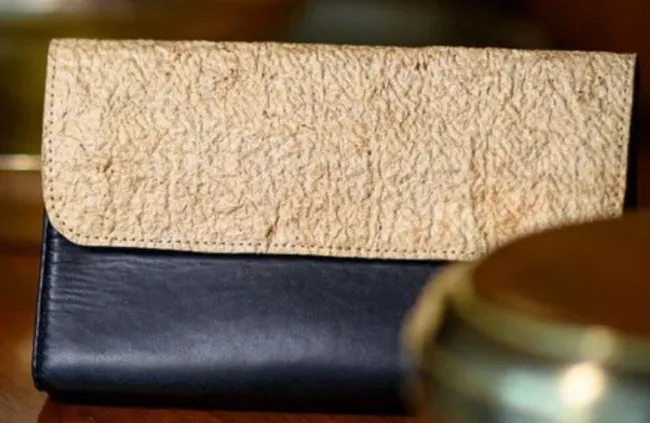
Yes, coconut leather is a good choice for making bags. Coconut leather has moderate durability and is suitable for lightweight fashion items, accessories, and bags that won’t suffer from severe daily wear and tear. With proper care, a coconut leather bag can be used for 3 to 7 years.
The Advantages of Making Bags Using Coconut Leather
Sustainability
It is made from agricultural waste (coconut shells) and has a smaller environmental impact compared to animal leather or synthetic materials.
Biodegradable (without chemical additives), making it a more environmentally friendly option.
Vegan and Without Cruelty
No animal products are used, meeting the preferences of ethical consumers.
Unique Appearance
It has a natural, rustic texture, with visible fibers, giving the bag a unique and rustic look.
Can be dyed or treated to achieve different colors and surface effects.
Durability (suitable for certain uses)
The coconut leather itself is strong and durable, suitable for daily handbags or casual bags.
After proper treatment (such as applying a waterproof coating), it can withstand light rainfall or humidity.
Lightweight
Materials made from coconuts are usually lighter than traditional leather, which can reduce the burden on the shoulders of handbags or backpacks.
The Disadvantages of Making Bags with Coconut Leather
Limited Flexibility
Coconut leather is harder than animal leather, so it is not suitable for designs with strict structures or those that fit the body closely (such as handbags).
Easy Water Absorption
Unprocessed coconut leather may absorb water, causing expansion or discoloration. Sealing or laminating treatment is needed to enhance waterproof performance.
Low Tear Resistance
Although strong, it is not as durable as animal leather under repeated pressure (such as the impact of heavy objects or sharp edges).
Aging and Luster
Unlike animal leather which forms an ideal luster over time, coconut leather may fade or wear out after long use.
Cost and Supply
As a niche material, coconut leather bags may be more expensive or harder to find compared to traditional products.
The Best Uses of Coconut Leather Bags
- Handbags: Its durability and simple appearance are suitable for daily casual use.
- Backpacks: Lightweight and durable, suitable for light to medium loads.
- Shopping bags: An eco-friendly choice for shopping or beach trips.
- Decorative accessories: such as small bags, wallets, or phone cases, which have relatively lower requirements for flexibility.
Performance Comparison
| Material | Durability | Water Resistance | Best Use Case |
| Coconut Leather (Malai) | Moderate (3-7 years) | Poor to Variable (needs coating) | Light-use accessories, decorative bags |
| Cactus Leather (Desserto) | High | Good | Daily handbags, totes |
| Mushroom Leather (Mylo) | High | Moderate | Luxury bags |
| Traditional Cowhide | Very High (decades) | Excellent (with care) | Heavy-use, investment pieces |
Best Applications
| Good For | Not Ideal For |
| Wallets and clutches | Heavy daily commuter bags |
| Light-use handbags | Backpacks with heavy loads |
| Cosmetic pouches | Outdoor/rugged use |
| Decorative accessories | Rainy climate use (uncoated) |
| Specialty/seasonal collections | High-stress structural bags |
Comparison to Other Vegan Leathers
| Material | Pros | Cons |
| Coconut Leather | Sustainable, natural texture | Stiff, water-sensitive |
| Piñatex | Soft, flexible, durable | Higher cost, requires coating |
| Mushroom Leather | Biodegradable, smooth finish | Less available, delicate |
| Cork Leather | Water-resistant, lightweight | Limited color options |
Comparison: Coconut Leather vs. Other Materials for Bags
| Feature | Coconut Leather | Cowhide Leather | PU/PVC Synthetic | Canvas/Cotton |
| Shape Retention | Excellent (Naturally stiff) | Good (Depends on thickness) | Poor (Often floppy) | Poor (Sags easily) |
| Scratch Resistance | Very High | Moderate (Scratches show) | Low (Peels/cracks) | Moderate |
| Water Resistance | High (Natural wax) | Moderate (Needs conditioning) | High | Low (Absorbs water) |
| Weight | Light-Medium | Heavy | Very Light | Light |
| Eco-Impact | Positive (Upcycled waste) | High (Livestock emissions) | Negative (Plastic/Oil) | Moderate (Water/Pesticides) |
| Cost | Moderate | High | Low | Low-Moderate |
Design Best Practices for Coconut Leather Bags
Recommended Approaches
| Element | Recommendation | Rationale |
| Construction | Structured, geometric shapes; box bags, frame bags, doctor bags | Material stiffness becomes design feature |
| Panels | Large, flat surfaces to showcase fiber texture | Aesthetic strength; minimizes stress concentration |
| Reinforcement | Leather or synthetic at corners, strap attachments, base | Durability extension; protects vulnerable points |
| Hardware | Minimal, lightweight; natural materials (wood, bamboo) preferred | Weight reduction; sustainability coherence; avoids metal abrasion |
| Lining | Cotton, hemp, or recycled polyester; waterproof where needed | Breathability compatibility; functional protection |
| Straps | Consider alternative materials (canvas, recycled webbing) for load-bearing | Coconut leather straps for light decorative use only |
Approaches to Avoid
| Element | Avoidance | Reason |
| Unstructured, slouchy silhouettes | Material resists desired collapse | Fighting natural properties creates tension and failure |
| Heavy loads | >2–3 kg regular carry | Strain exceeds material comfort zone; accelerated wear |
| Frequent water exposure | Rain, beach, outdoor adventure | Binder degradation; fiber swelling; irreversible damage |
| Dark, saturated colors | Black, navy, bright primaries | Requires heavy processing; compromises natural aesthetic; dye fastness issues |
| Minimal reinforcement | Raw edges, unbacked stress points | Coconut leather less forgiving than animal leather; failure modes abrupt |
Conclusion
Coconut shell fibers inherently possess extremely high wear resistance, tensile strength and water resistance. The leather made from them is tough, crisp and well-shaped, effectively preventing the product structure from collapsing.
Coconut leather is suitable for use in wallets, handbags, lightweight handbags, accessories and household items, and is the ideal choice for brands and consumers who pursue sustainable stories.
If you want to use coconut leather to manufacture your own brand’s bag collections, please feel free to contact us to discuss the details.