
Acrylic is a high-molecular thermoplastic with extremely high transparency, featuring light weight, weather resistance, impact resistance and ease of processing. Its light transmittance can reach 92%, almost the same as that of glass, but its weight is only half that of glass, and it has better impact resistance and is less likely to break. Therefore, it is often used in products such as display cabinets, light boxes, signboards, furniture finishes, and creative handbags.
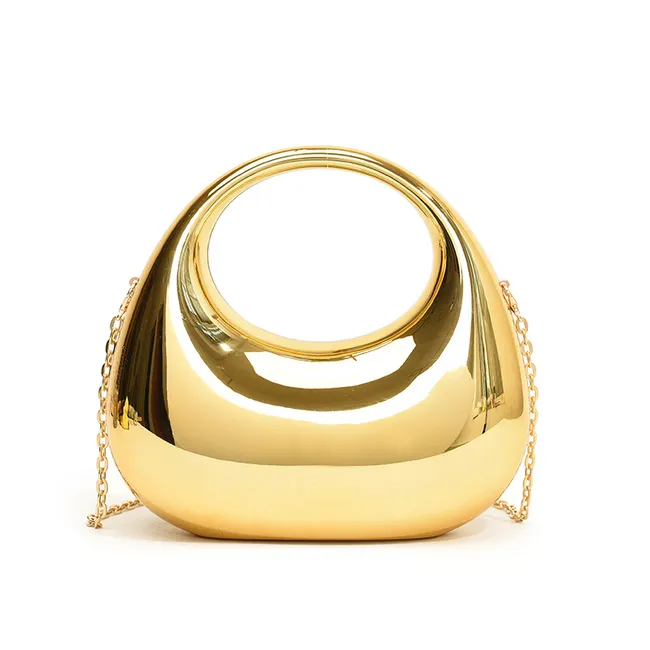
Although acrylic has good strength, it is more prone to scratches than glass. Therefore, in some scenarios, hardening treatment or protective films are used.
This post will explore the characteristics of acrylic material, whether it is suitable for making bags, and how to select high-quality acrylic material.
What is acrylic?
Acrylic refers to a multifunctional, transparent thermoplastic made of acrylic acid, or more commonly, a synthetic fiber.
Acrylic is a polymer synthesized from propylene and ammonia. This name widely covers materials made from acrylic derivatives. Specifically, acrylic is made from the polymer polyacrylonitrile (PAN) and stands out commercially as a substitute for wool.
Historical background
The term “acrylic” originates from “acrolein,” a sharp-smelling compound derived from onions, rooted in the Latin words acer (sharp) and olere (to smell).
Modern acrylic materials were developed in the mid-20th century as an alternative to natural materials such as glass and wool, bringing about revolutionary changes in industries ranging from construction to fashion.
Chemical Basis: Components of acrylic
The core of acrylic is acrylic acid, an unsaturated carboxylic acid with an active double bond. This monomer is formed through polymerization (chemical bonding of monomers) :
- Homopolymer: Pure polyacrylic acid (PAA) or polyacrylate (such as polymethyl acrylate).
- Copolymer: Blended with other monomers (such as methyl methacrylate, acrylonitrile) to customize properties (such as rigidity, flexibility, transparency).
The main derivatives include acrylonitrile (used for acrylic fibers) and methyl methacrylate (MMA) (used for acrylic plastics such as PMMA).
The main types of acrylic acid
1. Acrylic plastic (polymethyl methacrylate, PMMA)
Composition: It is polymerized from methyl methacrylate (MMA). Acrylic plastic is a transparent thermoplastic, often referred to as “organic glass”.
Attribute:
- Optical clarity: It has the transparency of glass and a higher light transmittance than glass (92%).
- Impact resistance: Its impact resistance is ten times that of glass, but its weight is only half that of glass.
- Weather resistance: Compared with other plastics, it has better resistance to ultraviolet radiation and environmental degradation.
- Processability: Easy to form, cut, drill, or thermoform into sheets, rods, or custom shapes.
Application
- Architecture: Windows, skylights, wall partitions and lighting fixtures.
- Transportation: The dashboard, windshield and rearview mirrors of the vehicle.
- Consumer goods: aquariums, display cabinets, lenses and signs.
2. Acrylic (polyacrylonitrile fiber)
Composition: A synthetic fiber made of polyacrylonitrile, commonly known as “acrylic” in textiles.
Attribute:
- Softness: Mimics the feel of wool, but is lighter and less allergenic.
- Color retention: Resistant to sun exposure and washing fading.
- Thermal insulation: Provides a thermal insulation effect similar to that of natural fibers.
Application
- Clothes: sweaters, scarves and blankets.
- Home textiles: carpets, interior decorations and curtains.
3. Acrylic resin
Synthetic resin: A type of thermosetting or thermoplastic resin made from acrylic acid or acrylate.
Attribute:
- Adhesion: Closely bonds with adhesives and solvents.
- Chemical resistance: Resistant to acids, alkalis and solvents.
- Hardness: It can be formulated to achieve high surface hardness.
Application
- Coatings: Paints, varnishes and industrial finishes.
- Adhesives: Used in construction, automobiles and electronic products.
- Dental materials: Resins for dentures and dental fillings.
4. Acrylic coating
Composition: Water-based coating, containing acrylic polymer emulsion as the adhesive.
Attribute:
- Quick-drying: Dries faster than oil-based paints.
- Water solubility: It can be diluted with water when damp and is water-resistant when dry.
- Flexibility: It will not crack or fade over time.
Application
- Art: For artists’ oil paintings, murals and mixed media.
- Decoration category: Wall paint, furniture finishes and craft projects.
| Form | Key Example | Description |
| Monomer/Resin | Acrylic acid, acrylic resin | Liquid or solid polymers used as raw materials for coatings, adhesives, and plastics. |
| Plastic (PMMA) | Polymethyl methacrylate | Also called “acrylic glass” or “plexiglass”—a transparent, shatter-resistant alternative to glass. |
| Fiber | Polyacrylonitrile (PAN) | Known as “acrylic fabric” (discussed earlier)—a wool-like synthetic fiber for textiles. |
| Emulsion/Coating | Water-based acrylic paint | Aqueous suspensions of acrylic polymers, used in paints, sealants, and textiles. |
The key difference
- Acrylic plastic and glass: Acrylic is lighter, more impact-resistant and easier to process, while glass has superior scratch resistance and heat resistance.
- Acrylic and wool: Acrylic is more affordable, hypoallergenic and easier to care for, but it lacks the natural moisture-wicking and sweat-absorbing properties of wool.
- Acrylic paint and oil-based paint: Acrylic paint dries faster and is water-soluble, while oil-based paint offers a richer range of colors and a longer mixing time.
Core features
- High transparency: The light transmittance is as high as 92%, which is higher than that of ordinary glass (86-89%), and the light is soft.
- Lightweight and sturdy: With a density of approximately 1.18g /cm³, it is only half that of glass, and its impact strength is 10 to 20 times that of glass.
- Strong weather resistance: Good stability against ultraviolet rays, it is not prone to yellowing or becoming brittle when used outdoors, and its service life can reach 5 to 10 years.
- Processability: It can be processed by thermoforming, cutting, engraving and other methods, and is suitable for making complex shapes.
How long do acrylics last?
The service life of acrylic materials varies depending on environmental conditions, material quality and maintenance. It can last for 15 to 20 years for indoor use, and usually 5 to 10 years for outdoor use. High-quality materials can last for more than 20 years in special applications.
The various factors that determine the length of acrylics’s life
Environmental conditions determine the length of acrylics’s life
- Indoor environment: In indoor environments that avoid direct sunlight and extreme temperature differences (such as display cabinets and decorative panels), the lifespan of acrylic sheets can typically reach 15 to 20 years, or even longer. This is because the interior avoids the invasion of ultraviolet rays and extreme weather, and its optical performance (such as light transmittance) can remain unchanged for more than 10 years.
- Outdoor environment: In scenarios such as outdoor billboards and light boxes, affected by natural factors like ultraviolet rays and wind and rain, their lifespan is generally 5 to 10 years. If UV-coated boards are selected and maintained, the upper limit can be approached. In the areas with strong sunlight in the south, the annual light transmittance decreases by 1-2%. If no UV stabilizer is added, the yellowing index can rise above 10 after five years.
- Special environments: In special environments such as chemical laboratories and coastal areas, due to chemical corrosion or salt spray erosion, the service life may be shortened to 3 to 5 years. The lifespan of composite boards or boards made from recycled materials may only be 2 to 3 years.
The quality of materials affects the difference in lifespan
- High-quality acrylic: A product cast from brand-new raw materials without bubbles or black spots, with a theoretical lifespan of up to 15 to 20 years. Under ideal conditions (such as a constant indoor temperature of 20-25℃ and humidity of 40-60%), its optical performance can remain unchanged for more than 10 years, and its mechanical strength can last for 15 years.
- Ordinary acrylic: Outdoor acrylic signboards usually need to be replaced every 3 to 5 years, while indoor decorative parts can be used for 8 to 10 years if properly maintained.
- Acrylic UV-resistant board: Under conditions of weak ultraviolet radiation, mild environmental conditions, high-quality materials and proper maintenance, its outdoor service life can reach 10 to 15 years or even longer. Under conditions of high ultraviolet intensity and harsh environment, the lifespan may be shortened to 3 to 5 years.
Lifespan for special application scenarios
- Aquarium engineering and infinity pools: The service life of high-quality acrylic exceeds 20 years, which is 2 to 3 times that of ordinary glass. The total life cycle cost is usually lower. The maintenance cost is 30-50% higher than that of glass, but it has a long service life and low safety cost.
- Canopy application: High-quality acrylic canopies usually come with a 10-year warranty, and their actual lifespan can reach 10 to 15 years.
- Baby swimming pool: The acrylic baby swimming pool is made of food-grade materials and has served over 200 maternal and infant care institutions across the country, with a customer repurchase rate of 85%.
The key factors influencing lifespan
1. Environmental factors
- Ultraviolet radiation: It is the key factor causing the aging of acrylic. Ultraviolet rays can cause the molecular chains of PMMA to break, leading to yellowing and embrittlement. Acrylic sheets used outdoors, if no effective protective measures are taken, may show obvious yellowing after 1 to 2 years.
- Temperature variation: The temperature resistance range of acrylic sheet is from -40℃ to 80℃. Exceeding this range (such as high-temperature baking or extremely cold freezing) will cause deformation or cracking. In the cold northern regions, the temperature may drop to tens of degrees below zero, and the acrylic UV-resistant board will become more brittle and hard, with its impact resistance declining.
- Humidity and moisture: High humidity environments may cause surface fogging or micro-cracks, especially in coastal areas where salt spray erosion is more pronounced. Water molecules can penetrate into the interior of materials, alter local density, interfere with the refraction path of light, cause light scattering, and result in a blurred surface.
- Atmospheric pollutants: Pollutants in the atmosphere, such as sulfur dioxide (SO₂), nitrogen oxides (NO youdaoplaceholder0), ozone (O₃), and dust particles, etc., can undergo chemical reactions with the surface of acrylic, forming acidic or oxidizing substances that corrode the surface of the sheet.
2. Material properties
- Thickness: Thicker plates usually have better impact resistance and structural stability. For every 2-3mm increase in thickness, the expected lifespan of acrylic UV-resistant boards outdoors may be extended by 1-2 years.
- UV protection additives: The content of UV protection additives in high-quality acrylic UV protection boards should be between 2% and 5%, which can ensure the UV protection effect while maintaining the overall performance balance of the board.
- Material purity: High-purity acrylic materials have less impurities during the polymerization process, and their molecular structure is more uniform and stable. Acrylic UV-resistant sheets with lower purity may be more prone to problems such as cracking and discoloration when used outdoors, and their lifespan may be 1 to 3 years shorter than that of high-purity sheets.
3. Maintenance and care
- Regular cleaning: Regularly cleaning acrylic UV-resistant boards used outdoors is one of the important measures to extend their lifespan. Regular cleaning can keep acrylic UV-resistant boards in good appearance and performance outdoors, and extend their service life by 1-2 years.
- Protective coating: Applying a protective coating on the surface of acrylic UV-resistant sheets can further enhance their resistance to ultraviolet rays, pollution and scratches. The service life of the protective coating is generally 3 to 5 years. After the coating fails, timely reapplication can continuously protect the acrylic UV-resistant board and extend its overall service life.
- Reasonable installation: The correct installation method and maintenance structure are also crucial for the outdoor lifespan of acrylic UV-resistant boards. During the installation process, appropriate expansion space should be reserved based on the size, shape of the panels and the usage environment to ensure that the panels can freely expand and contract when the temperature changes, avoiding damage due to stress concentration.
Practical suggestions for extending service life
Material selection criteria
Give priority to choosing weather-resistant products with ISO7823 certification and a thickness of ≥6mm. High-quality acrylic sheets have clear parameters in terms of edge treatment, light transmittance, impact resistance and other indicators. It is recommended to ask the merchant to provide a test report to avoid buying inferior products.
Daily maintenance
- Cleaning method: Use neutral soapy water or a dedicated acrylic cleaner, and gently wipe with a soft microfiber cloth. Avoid using rough tools such as steel wool balls and hard-bristled brushes. These tools can cause fine scratches on the mirror surface. Over time, this can lead to a decrease in reflectivity by more than 30%.
- Avoid solvents: Do not use cleaning agents containing strong solvents such as alcohol or acetone to prevent damage to the surface of the board.
- Environmental control: Add protective coatings in areas with high ultraviolet rays, carry out moisture-proof treatment in areas with high humidity, and increase the frequency of cleaning in areas with severe pollution.
Protection in special scenarios
- Outdoor use: UV protective agent needs to be sprayed once every quarter to resist yellowing caused by ultraviolet rays.
- Bathroom environment: It is recommended to install it more than 1.5 meters away from the shower area, or to use anti-fog spray to form a protective film.
- High-temperature protection: The heat resistance limit of acrylic mirror surface is 80℃. It should be kept away from heat sources such as radiators and stoves; otherwise, it may deform and warp.
Is acrylic material good for making bags?
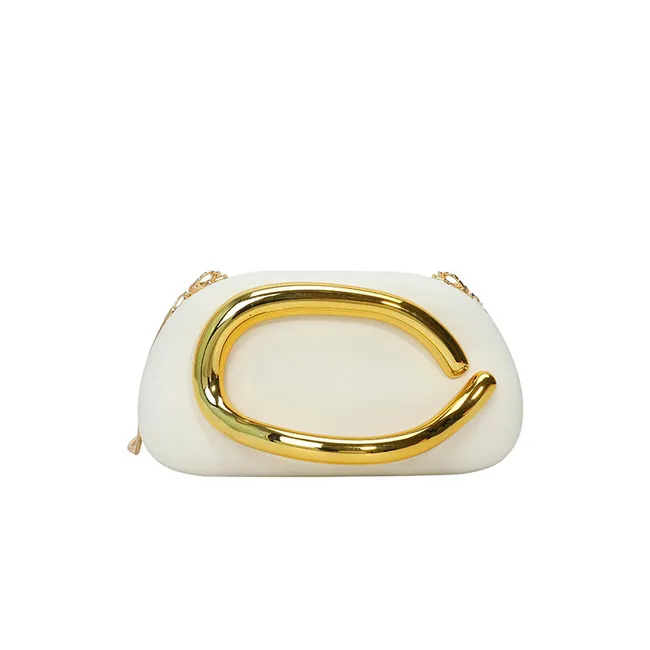
Yes, acrylic material is very suitable for making fashionable bags, especially in terms of design sense, transparency and lightness. However, it should be noted that its limitations such as being easily scratched and not breathable make it suitable for fashion items that pursue individual expression rather than practical functions.
The core advantages of acrylic for bags
1. Outstanding visual expressiveness
- High transparency: The light transmittance of acrylic is over 92%, far exceeding that of ordinary glass (86-89%), giving the bag a crystal clear “crystal” texture. It is especially suitable for creating transparent or semi-transparent designs.
- Color diversity: It can be easily dyed into various colors, and the coloring effect lasts for a long time without fading. Brands like Cult Gaia take advantage of this feature to launch diverse designs such as macaron color series and marble patterns.
- Light and shadow effects: Under the sunlight, it can produce dazzling light and shadow changes, such as the water ripple and diamond pattern designs of the L’afshar brand, making the bag a mobile work of art.
2. Excellent plasticity and design freedom
- Easy to process and shape: Acrylic can be easily shaped into various forms through processes such as heat bending, cutting, and laser engraving, from the square “Takeout Bag “to the round Luna series, all can be perfectly achieved.
- Diverse surface treatments: Polishing, embossing, lamination and other treatments can be carried out to create smooth mirror-like, matte or special textures, meeting different design requirements.
- Innovative structural design: For instance, Waiwai Rio combines acrylic with rattan weaving and leather to create a unique style that is both retro and modern.
3. A balance between lightness and durability
- Lightweight feature: The density of acrylic is approximately 1.19kg/dm³, which is about 50% lighter than glass, making the overall weight of the bag light and easy to carry.
- Strong impact resistance: The impact strength is as high as 16kg/cm³, which is 10 to 20 times that of ordinary glass, and it is not easy to break during daily use.
- Excellent weather resistance: It has high stability against ultraviolet rays, is not prone to discoloration when used outdoors, and has a service life of 5 to 10 years, far exceeding the expected lifespan of many fashionable items.
The limitations of acrylic bags and countermeasures
1. Physical property limitations
- Easy to scratch: The surface hardness of acrylic is relatively low (Mohs hardness 3-4), making it prone to scratches from sharp objects.
- Countermeasures: Choose high-quality acrylic with UV coating, or incorporate textures into the design to cover up minor scratches; Avoid direct contact with hard objects such as metal keys in daily use.
- Non-breathable: Acrylic material is completely non-breathable and is not suitable for scenarios that require ventilation.
- Countermeasures: When designing, combine the mesh structure or use breathable materials inside, such as Cult Gaia adding fabric lining inside the acrylic bag.
- Weight issue: Although the individual bags are light, large-sized bags may become heavier due to the increase in material thickness.
- Countermeasures: Adopt a moderate thickness of 3-5mm to control the weight while ensuring structural strength. When designing, ergonomics was taken into consideration and the strap design was optimized.
2. Practicality considerations
- Capacity limitation: Acrylic material is relatively hard and it is difficult to expand capacity as flexibly as fabric or leather.
- Countermeasures: Design multi-compartment structures or detachable inner linings, such as the Twin Frame multi-purpose handbag of Ratio Et Motus, to improve space utilization.
- Comfort issue: Hard materials may cause discomfort when carried for a long time.
- Countermeasures: Add soft materials to the parts that come into contact with the body. For instance, L’afshar pairs acrylic bags with soft leather shoulder straps.
- Seasonal adaptability: Transparent acrylic may feel too cold in winter.
- Response strategy: Launch seasonal limited editions, such as those in dark winter tones or with added plush decorations, to enhance their year-round applicability.
The market application and trends of acrylic bags
1. Application cases of fashion brands
- Cult Gaia: In 2018, it launched the acrylic Luna series and Lilleth Bag, featuring symmetrical circular lines and marble patterns, which became Instagram influencer bestsellers.
- L’afshar: The acrylic small square bag created by Dubai-based designer Lilian Afshar achieves a variety of styles by matching different metal chain straps, and has been favored by fashion bloggers.
- The Pop&Suki: Takeout Bag series, featuring a “fast food box” design combined with acrylic material, girlish color schemes and thick chain designs, has become a hot topic on social media.
2. The unique value of acrylic bags
- Social currency attribute: Acrylic bags have become the “eye-catching bags” on social media due to their high recognition and photo-taking effect, meeting users’ needs to showcase their personality and gain attention.
- Environmental potential: Acrylic is recyclable and in line with the trend of sustainable fashion. Compared with genuine leather bags, the carbon footprint of the production process is lower.
- Cost-effectiveness: Although the initial cost is higher than that of ordinary fabric bags, it has good durability and a lower long-term usage cost, making it particularly suitable for the light luxury consumer group that pursues quality.
3. Future development trends
- Material innovation: By applying nano-coating technology, the upper limit of temperature resistance has been raised to 180℃, expanding the application of acrylic in more scenarios.
- Functional integration: By integrating smart wearable technology, embed charging modules or positioning systems in acrylic bags to enhance practical value.
- Sustainable improvement: Develop bio-based acrylic materials to reduce reliance on fossil raw materials and enhance environmental performance.
How to select high-quality acrylic materials?
When choosing high-quality acrylic materials, it is necessary to focus on core indicators such as raw material quality, light transmittance, thickness tolerance, and weather resistance, and verify them through professional testing methods. At the same time, select suppliers with qualifications and technical strength to avoid the long-term risks brought by low-priced and low-quality products.
Core selection criteria
1. Raw material quality: The essential difference between brand-new materials and recycled materials
- High-quality raw materials: 100% brand-new MMA monomers (such as British Lucite/Japanese Mitsubishi PMMA) are used, with no recycled materials added.
- Inferior raw materials: The regenerated MMA monomer obtained by thermal degradation of recycled acrylic scraps has low purity and poor performance.
- Key identification: The edge and center thickness of high-quality acrylic sheets are uniform without significant differences. Poor-quality boards often have uneven thickness and surface defects.
2. Light transmittance: A core indicator of optical performance
- High-end standard: ≥92% (3mm thickness, standard light source D65)
- Industry average: 86%-91%
- Poor quality Warning: < 85% (Common recycled material boards)
- Detection method: Use a spectrophotometer to measure the full-range light transmission with a wavelength of 380-780nm
3. Thickness and Tolerance: The key to dimensional stability
- Precision grade standard: Nominal value ±0.1mm (e.g. 12.0±0.1mm).
- Commercial grade standard: Nominal value ±0.3mm.
- Trap Warning: The measured thickness is 10% lower than the nominal value (for example, a 12mm plate is only 10.8mm).
- Verification method: Randomly inspect 3 points (center + edge) to ensure consistency in thickness.
4. Weather resistance: A guarantee of long-term stability in use
- Yellowing index: After 3000 hours of QUV aging test for high-quality boards, ΔY is less than 1.5, and the industry average ΔY is less than 3.0.
- Poor quality Warning: ΔY > 5.0 (recycled material or inferior UV protector).
- Outdoor service life: The outdoor service life of high-quality UV-resistant boards can reach over 10 years.
5. Hardness and strength: Standards for measuring mechanical properties
- High-quality cast plate: Rockwell hardness M90-M100 (Strong scratch resistance)
- The qualified line for extruded plates: M78-M85
- Warning value: < M70 (prone to scratches)
- Bending strength: For samples with a thickness of 3mm, a bending strength of ≥ 115MPa is considered high-quality
Professional testing methods
1. Combustion identification method: Identifying the authenticity of raw materials
- Brand new material: Clear flame, emitting blue smoke, with a rosin smell
- Recycled material: Yellow flame, thick black smoke, pungent sour smell
- Mixture: The flame is yellowish-white, the smoke is grayish-black, and it has a burnt smell
2. Solvent test method: Verify surface quality
- High-quality board: No change after 5 minutes of surface infusion of acetone (3% solution)
- Ordinary board: The surface appears white
- Poor-quality board: Dissolves and sticks to the hand
3. Incision observation method: Determine the internal structure
- High-quality: After precise sawing, the cut is clear and free of white fog
- Common: Slightly misty white
- Inferior quality: Obvious white powder
4. UV fluorescence detection: Identifying material purity
- Brand new material: When illuminated by ultraviolet lamp (365nm), it shows uniform blue fluorescence
- Recycled material: Mottled fluorescent/non-fluorescent
- Adulterated material: star-shaped fluorescence
Key points for Supplier selection
1. Certification and qualifications: The foundation of quality assurance
- It is necessary to provide: ISO9001 quality system certification, SGS material report (indicating the proportion of new materials)
- It is recommended to request: UL Yellow Card (flame retardant grade), QS Certification (Food grade), FDA/NSF Certification (Special applications)
- Beware of traps: Products priced 30% lower than the market rate must have quality risks
2. Technical strength: A manifestation of core competitiveness
- Advanced technology: Vacuum casting process achieves molecular-level polymerization (superior to ordinary extrusion process)
- R&d capability: Possessing R&D capabilities for functional acrylic (such as UV resistance, flame retardancy, anti-static, etc.)
- Production scale: High proportion of automated production lines (the automation rate of leading enterprises is 70-75%)
3. Quality Control System: The Key to stability
- Full-process monitoring: There are quality inspection points at every stage from raw materials to finished products
- Strict testing: 12 rigorous tests, including light transmittance, yellowing index, impact strength, etc
- Long-term tracking: Conduct 24-month performance tracking for outdoor application projects
4. Industry reputation: Proof of market recognition
The top three brands in the acrylic industry in 2025 are Meichen Acrylic (Shanghai Jingjian New Materials), Tongchen Acrylic, and Ruichang Acrylic
- Application scenarios: For high-end projects, Meichen Acrylic (Green Label Series) is the first choice. If cost performance is prioritized, the Red Label series can be selected
- Engineering Case: View the actual application effects of suppliers in similar projects
Common traps and guide to avoiding them
1. Pseudo-high transparency trap
- Phenomenon: Some manufacturers add fluorescent agents to create a “high-transparency illusion”, which turns yellow sharply after six months
- Response: It is necessary to request the original data of SGS light transmittance (not self-tested by the manufacturer) and review the UV aging test report
2. Thickness tricks
- Phenomenon: The nominal 10mm is actually only 9.2-9.5mm, resulting in the failure of the load-bearing structure
- Response: Measure the thickness on-site and confirm the tolerance range (it is recommended to be within ±0.1mm)
3. Environmental compliance risks
- Phenomenon: 32% of the samples were found to contain phthalate plasticizers (banned by the European Union).
- Response: Request to provide proof of compliance with the latest version of RoHS2.0
4. Service discontinuity
- Phenomenon: Small and medium-sized manufacturers are unable to provide CNC precision processing support, and customers have to find factories for processing again
- Response: Confirm whether the supplier provides value-added services such as optical design and stress analysis
Practical steps for selection
- Preliminary screening: Confirm the supplier’s qualifications and industry reputation, and eliminate unqualified small factories.
- Request for samples: Samples that are consistent with the actual purchased specifications are required.
- On-site inspection: Conduct basic inspections such as thickness measurement, light transmittance test, and combustion test.
- Request reports: Check key data such as SGS material reports and UV aging test reports.
- Small trial order: For the first cooperation, purchase a small batch for inspection first.
- The contract clearly states: Specify the thickness tolerance range, the annual change rate of the yellowing index, and the liability for compensation.
Although high-quality acrylic materials are relatively expensive, their long-term usage costs are lower, which can avoid replacement costs, brand reputation damage and safety hazards caused by quality issues. When making a choice, one should abandon the “price-only” selection strategy and comprehensively consider the product’s performance, quality stability and long-term use value.
Conclusion
Acrylic is a high-quality material that combines aesthetics, functionality and processability, and is widely used in industry, design and fashion fields. It is a balanced choice between practicality and cost-effectiveness. It is necessary to focus on key performance based on the usage scenario (such as choosing anti-pilling fabric for bags and UV-stabilized plastic for outdoor use), and at the same time, the environmental impact can be reduced through material selection or process optimization.
Acrylic material is highly suitable for making fashionable bags because it features a sense of design, high transparency and lightness. If you are also running your own bag business and want to customize your brand bags using acrylic materials, please feel free to contact us and create your bags together.